Blog

Five Logins, One Password Manager, and the Wrong Brand in the Footer
Operators running marketing for several businesses lose hours to tool-switching and risk mixing brands. Real multi-tenant separation keeps audiences, consent and content apart without five dashboards.

You Cropped the Same Photo Four Times and the Logo Still Got Cut
Cropping a single hero image down to every channel's shape quietly destroys composition. Generating each aspect ratio from the same source photos fixes the problem before it starts.

The Slowest Part of Your Automation Is the Laptop You Only Open at Night
Automated marketing stalls at the approval step, not the drafting step. If signing off requires a desk and an hour, the queue becomes a graveyard of timely posts that went out late.

Your AI Assistant Can Draft the Email. It Can't See Who Opened the Last One.
AI assistants write good marketing copy and know nothing about your actual audience. Connecting them to the platform turns drafting into work that ships, with approval intact.

Your Audience Stopped Growing Three Campaigns Ago
Most marketing stalls on audience size and freshness, not creative. A look at sourcing contacts from Maps and LinkedIn directly into the platform where campaigns and scoring already live.

Your AI Images Look Great and Nothing Like Your Business
Generated marketing imagery usually looks polished and generic. Feeding the content studio your own photos as reference keeps the output recognisably yours across every channel.

Your Click Data Lives on Someone Else's Domain, and It Leaves When You Do
Open and click tracking usually runs through a third party's redirector, which means your engagement history belongs to your tool, not your business. Here's why that matters.

Your Blog Has Three Posts From February and Nothing Since
Marketing consistency breaks when business gets busy — which is exactly when it matters. The fix isn't more discipline; it's shifting your effort from creating posts to approving them.

Email Couldn't Reach Them, and You Weren't Going to Call 300 People Yourself
Every business has a segment email stopped reaching and nobody had time to call. AI voice only fixes that when it runs against the same audience, suppression and engagement data.
Nobody Called the 14 People Who Opened Your Quote Three Times and Never Replied
Email tells you who hesitated. A phone call is what resolves it. Here's how AI voice fits alongside email and SMS when all three run on one audience.

Your Export Gave You the Email Addresses. It Didn't Give You Who Opened Them.
Most platforms hand back your contacts and keep the engagement history. Self-hosted open, click and unsubscribe tracking turns that behavioral record into an asset you actually own.
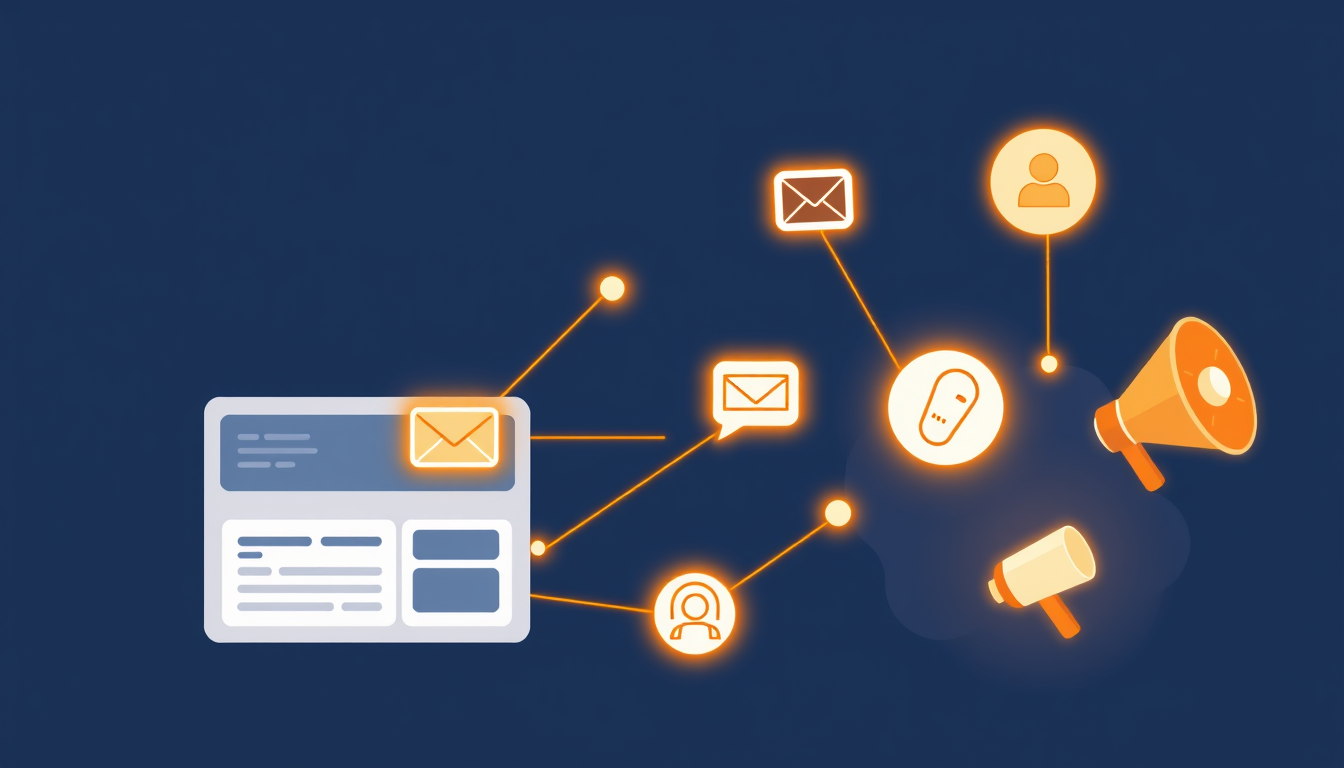
Growth7: AI Marketing Agents Without Moving to HubSpot
HubSpot's new Marketing Studio and Breeze agents need Marketing Hub Pro or Enterprise plus credits. If your CRM is Salesforce, Pipedrive, Zoho or HubSpot Starter, here's how to get AI marketing agents without migrating.
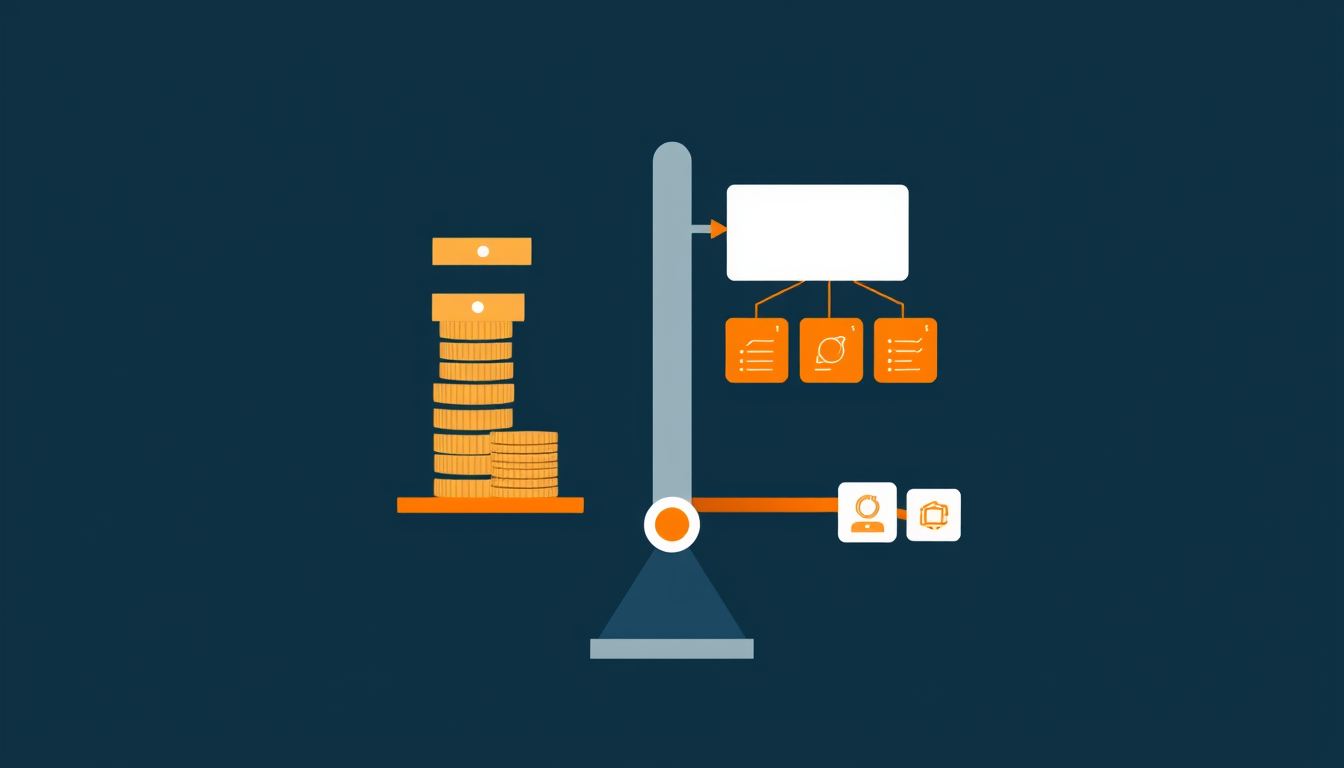
Growth7 vs HubSpot Marketing Studio and Breeze Agents: A Side-by-Side Comparison
Price, credits, CRM lock-in and channels, compared line by line from each company's published pages: HubSpot Marketing Studio with Breeze agents versus Growth7.
They Unsubscribed From Your Email in March and Got Your Text in June
When email, SMS, voice and social each keep their own contact list, consent and history stop traveling with the customer. The fix is one audience underneath every channel.
You Rewrote the Same Announcement Four Times and the Date Changed Anyway
One announcement shouldn't mean four drafts in four tools. Treat the message as one campaign with channel-native variants so a changed date is a single edit, not four.

You Almost Sent One Client's Offer to Another Client's List
Running marketing for several brands out of one login turns every send into a small act of concentration. Separation should be structural, not something you remember to do.
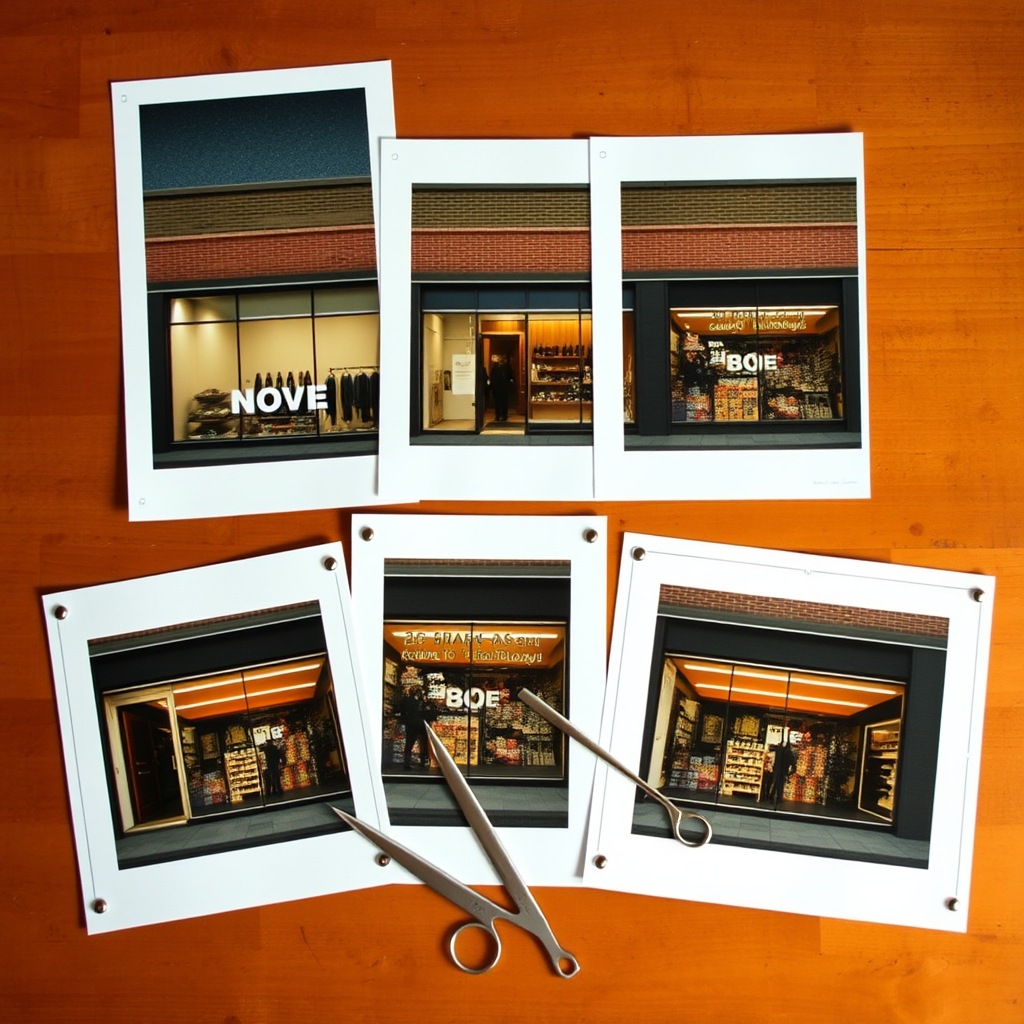
You Cropped One Image Five Ways and the Phone Number Fell Off the Edge
One image cropped for five channels isn't five assets — it's one asset damaged four times. Why creative should be generated per aspect ratio instead of resized after the fact.

The Five Minutes Between Two Jobs Is When Your Marketing Gets Decided
Most small-business marketing stalls not from bad ideas but from latency — decisions that need thirty seconds wait days for a desk. Why mobile access changes what actually ships.

You Asked an AI for the Subject Line, Then Retyped It Into the Platform
AI assistants write decent copy but can't see your audience or send anything. An MCP connection closes the gap between a good draft and a campaign that actually ships.

The Spreadsheet of 200 Prospects That Never Made It Into a Campaign
Lists sourced in one tool and sent from another arrive stripped of history and rules. Why prospecting belongs inside the same audience your campaigns and scoring already run on.

The Photo Looked Great Until a Customer Asked Which Branch That Was
Generic AI imagery quietly tells customers you're like everyone else. Using your own photos as reference turns generation into something that actually looks like your business.

The Post Was Ready Friday Afternoon. You Approved It Monday.
Marketing automation rarely stalls at the writing stage. It stalls at the approval gate, waiting on one person at a desk. Here's how to fix that without rubber-stamping.

Your Last Blog Post Is Dated March, and Everyone Can See the Date
Publishing cadence rarely dies from a lack of ideas. It dies from the cost of starting each post from nothing — and that is the part software can actually carry.

The Fifth Client You Turned Down Wasn't a Capacity Problem
Agencies and operators rarely hit a ceiling on ideas. They hit one on logins, re-entry and brand switching. The fix is separation inside one platform, not more tools.

The People Who Clicked, and Then Got the Same Email as Everyone Else
Most small-business marketing treats every contact identically, wasting effort on the cold and under-serving the warm. Engagement scoring turns attention into a routing decision across email, SMS and voice.
Whose Domain Is in Your Newsletter's Links?
Rented tracking links and vendor-hosted unsubscribes quietly weaken trust, scatter your data, and break when you switch tools. Self-hosted tracking keeps the clicks, and the consent, yours.

One Customer, Four Records, and No Memory of Last Tuesday
When the same person lives in four marketing tools, every campaign decision is made on a fragment. Here's why a single audience beats better exports and cleaner spreadsheets.

The Email, the Text and the Call That All Arrived on Tuesday
Three touches about one offer in one morning isn't aggressive marketing — it's three tools that can't see each other. How a single audience turns repetition into escalation.

The Follow-Up Call Nobody Made
Email and SMS get automated; the phone call gets postponed until the lead goes cold. Voice belongs inside the sequence, on the same audience, triggered by the same engagement signals.

The Crop That Cut the Product in Half
One image squeezed into six channel formats always loses something. Reframing isn't a cleanup task after design — it's a content decision that belongs at the point of generation.
The Campaign That Almost Went Out Under the Wrong Brand Name
Operators running marketing for several businesses usually separate them with browser profiles and discipline. Real multi-tenant separation puts the boundary in the platform, where mistakes can't cross it.
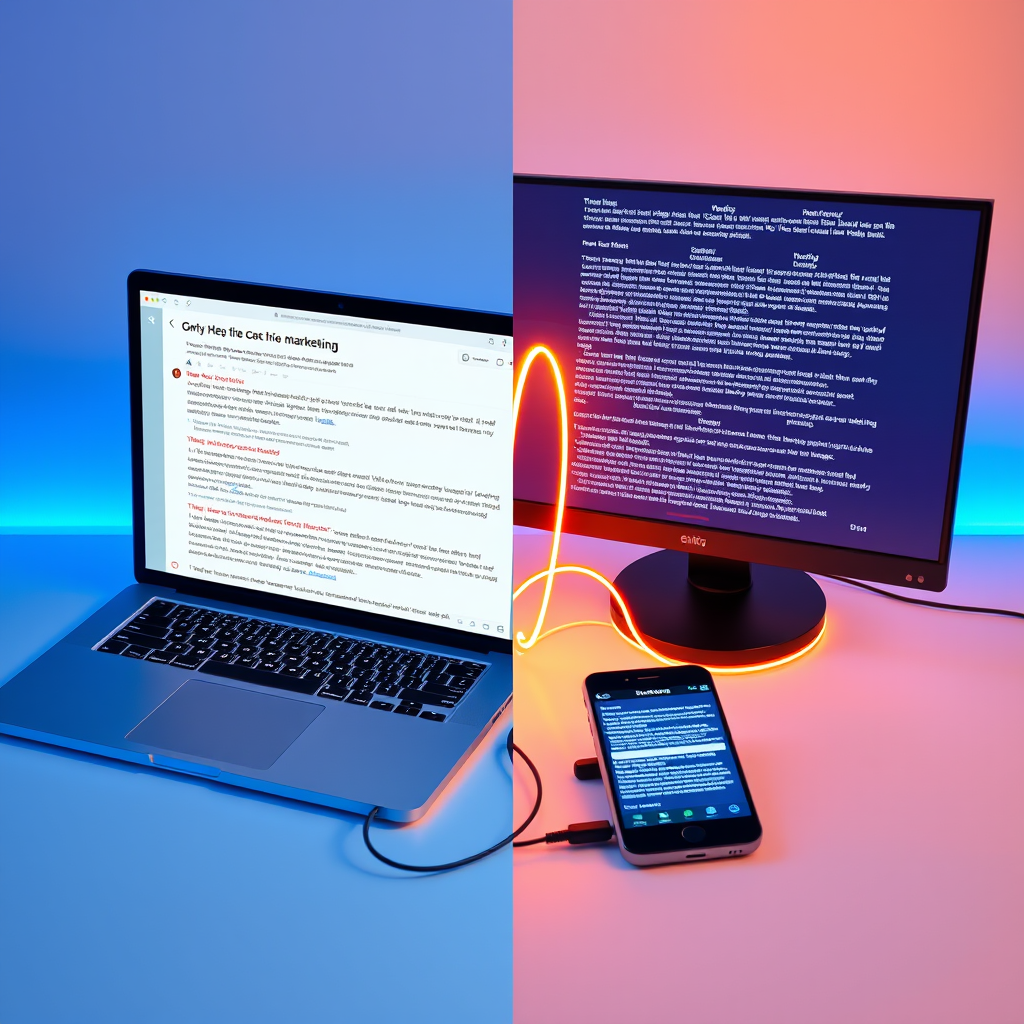
The Copy-Paste Tax Between Your AI Assistant and Your Marketing Platform
AI assistants draft campaigns well but can't see your audience or send anything. Connecting an assistant to your real platform removes the rebuild step — without removing human approval.

The Prospect List That Died in Your Downloads Folder
Finding prospects on Maps and LinkedIn is the easy part. Lists die in the handoff to your sending tool — here's why sourcing belongs inside the platform that contacts them.

The Generated Photo of a Workshop That Isn't Yours
Generic AI imagery quietly tells customers you're interchangeable. Using your own photos as reference turns generation from invention into extension of the business you actually run.

The Laptop Tax: Marketing That Waits Until You Get Back to a Desk
Most small-business marketing delays aren't caused by bad ideas or slow writing. They're caused by the gap between the moment a decision is obvious and the moment you reach a keyboard.

Autopilot Stalls at the Approval Queue, Not the Draft
Automated posting rarely fails because the writing is bad. It fails because approval is slow, batched badly, and chained to a desk — here's how to fix that step.

The February Gap: Why Marketing Stops the Moment Business Gets Good
Most small-business marketing runs in bursts and then goes silent for months. The fix isn't more discipline — it's a baseline that keeps publishing while you're busy earning revenue.
Engagement Scoring Is Useless If It Only Watches Email
Most engagement scores are built from email opens alone, then ignored. A score earns its keep when it reads every channel and actually changes who gets contacted next.

Your Click Data Lives on a Domain You Don't Own
Open pixels and click redirects usually run on your vendor's infrastructure, not yours. That quietly costs you link permanence, sender reputation and the engagement history you built.

They Unsubscribed From Email. Why Did They Get a Text?
An opt-out recorded in one tool doesn't reach the others. Here's why unsubscribes belong to the person, not the channel, and what happens when you don't host the record.
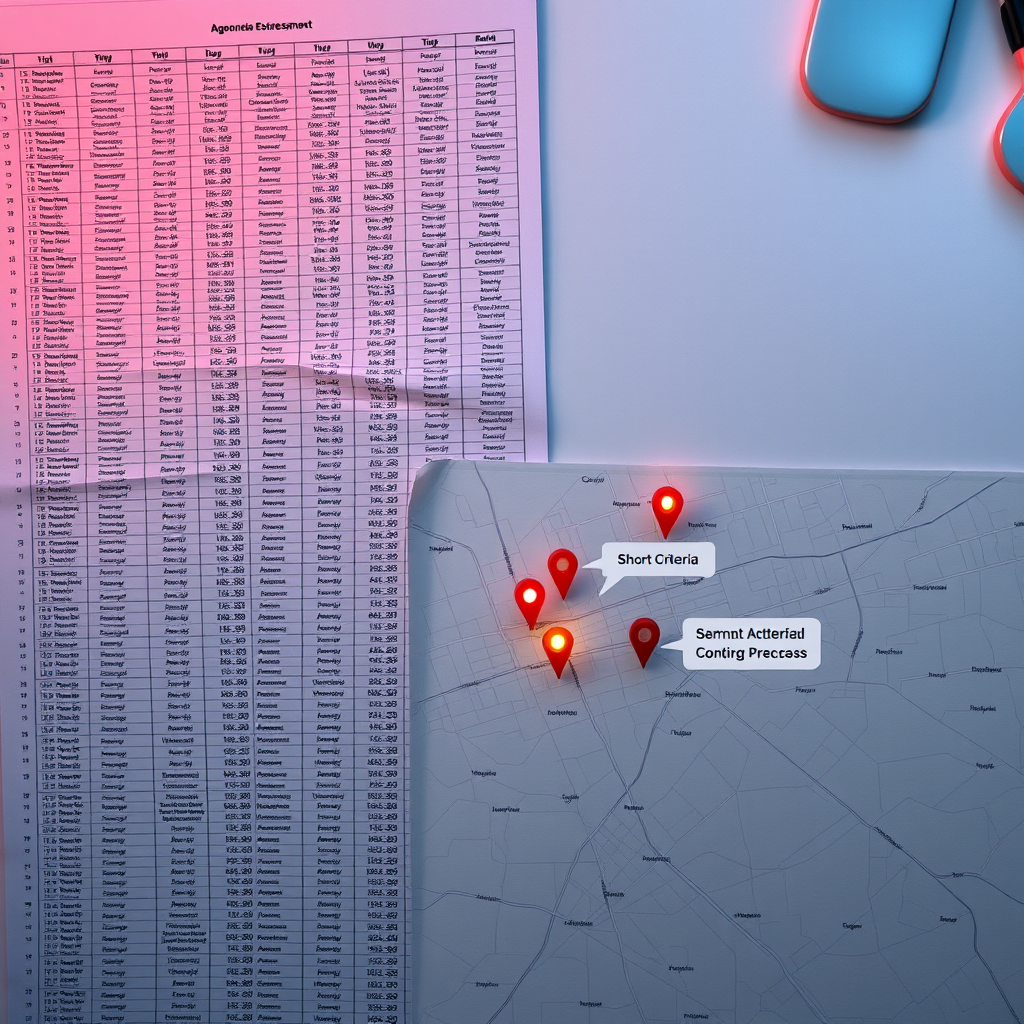
Where Did This Name Come From? Building a List You Can Defend
Bought lists fail because no one can say why a name is on them. Sourcing from Maps and LinkedIn replaces guesswork with criteria you can state, repeat, and defend.

The Quiet Deal: Where an AI Voice Call Belongs in a Sequence
Email and SMS let people ignore you politely. A short voice call resolves the silence — but only if it lands at the right moment in a sequence that already knows the history.

The Crop Is the Message: Why One Photo Never Fits Four Channels
Resizing one hero image for every channel quietly wrecks your composition. Treat aspect ratio as an input to creation, not a crop you apply at the end.
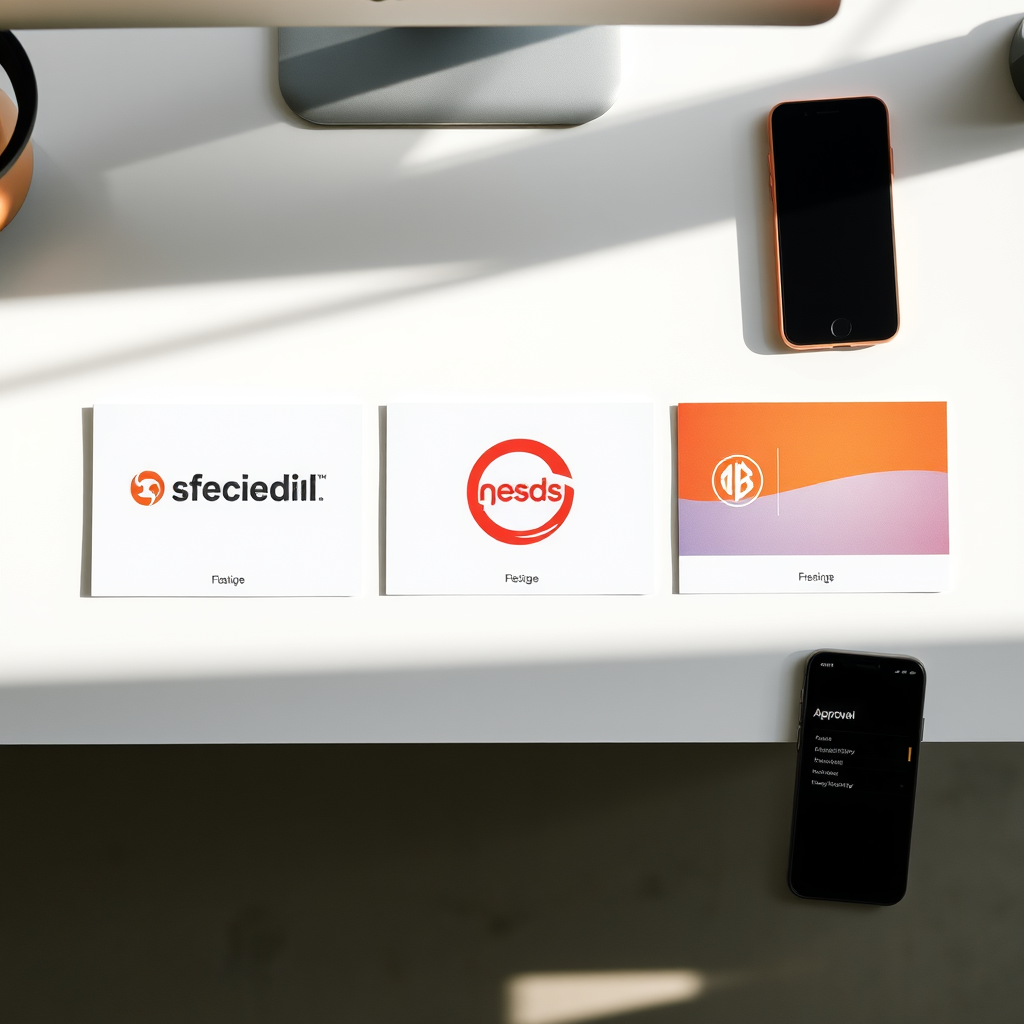
Five Brands, One Login: Why Account Switching Is an Operator's Real Bottleneck
Operators running marketing for several businesses lose capacity to context switching and near-miss sends. Separation built into the platform, not into your habits, is what raises the ceiling.
Your AI Assistant Can Write the Campaign. It Can't See Who It's For.
AI chat windows produce good marketing copy and no marketing. The gap is context and access — and closing it changes what you can reasonably ask an assistant to do.

One Person, Four Channels: Why Contact Fatigue Is a Data Problem
When email, SMS, voice and social each keep their own list, the same customer gets hit four times in a week. Fixing that starts with one shared audience record.

Stock Photos Are a Tell: Start Your Imagery With Your Own Pictures
Generic imagery quietly signals a generic business. Using your own photos as reference for generated visuals keeps every channel looking like the company customers actually walk into.

Marketing Happens Between Jobs, Not at a Desk
The best marketing moments happen on site, not at a laptop. A look at why the camera roll is your real content pipeline and why mobile can't be a companion app.

Autopilot Is Only as Fast as Your Slowest Approval
Automated marketing rarely fails at generating content. It stalls in the review queue, waiting on one person at a desk. Here's where to put the approval step instead.

The Cold Start: Launching a Brand With No List, No Photos and No History
Standing up marketing for a brand new client or location means starting with nothing measurable. Here is a practical order of operations for the first three weeks.