The Generated Photo of a Workshop That Isn't Yours
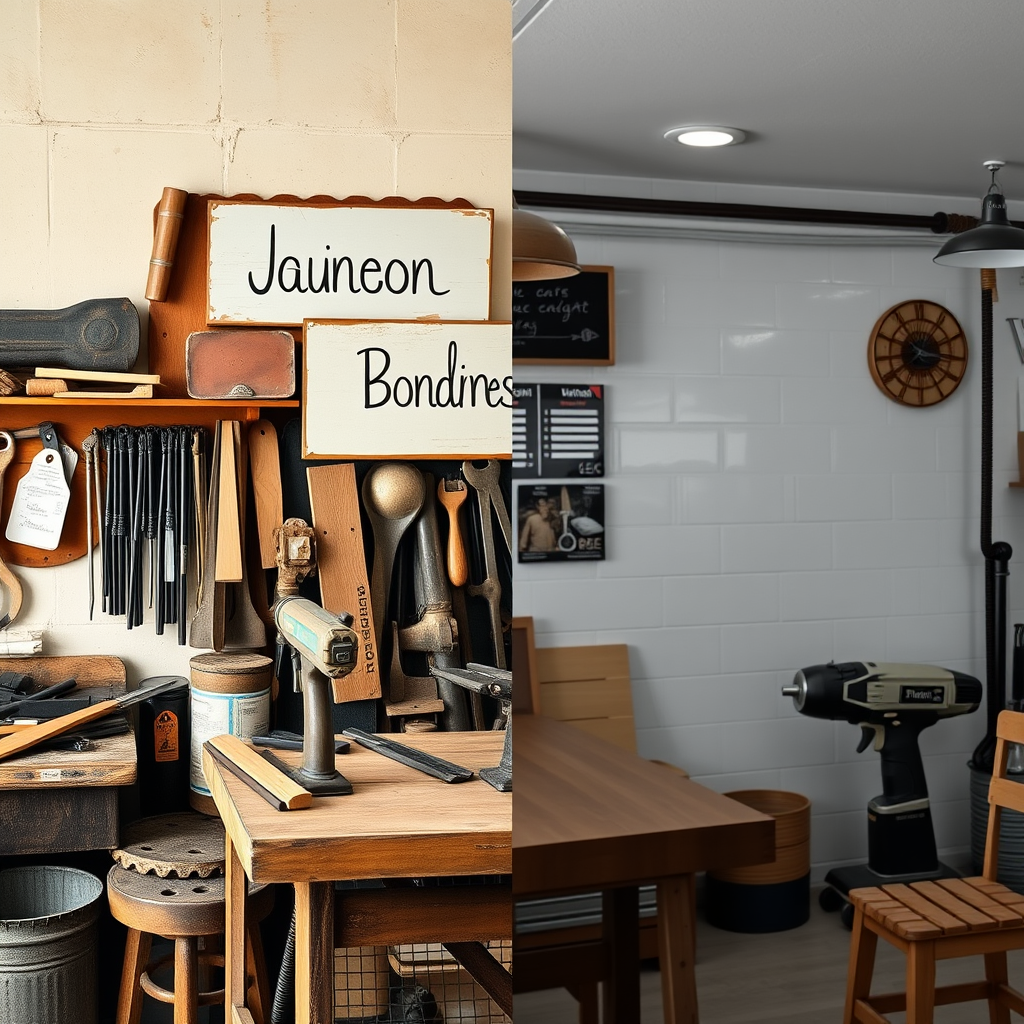
You asked for an image of a technician working on a car. What came back was a spotless bay with polished concrete, a lift you don't own, and a man in a uniform nobody at your shop wears. It looked good. It looked like a stock photo. You posted it anyway because Tuesday was nearly over — and then a regular customer commented asking whether you'd moved premises.
That comment is the whole problem in one line. For a small or mid-sized business, the product often is the specific place and the specific people. The counter, the van, the yard, the two staff everyone knows by name. When your imagery shows a generic version of those things, you haven't just published a slightly wrong picture. You've told people you're interchangeable with every other business in your category — which is the one claim your marketing exists to disprove.
Generic Imagery Costs More Than It Saves
The appeal of pure text-to-image generation is obvious: you type a sentence, you skip the photoshoot, you fill the content calendar. And for abstract concepts — a background texture, a seasonal motif, an illustration behind a headline — that's a genuine win.
It breaks down the moment the image is supposed to represent you. A local audience recognises a fake instantly, even if they can't articulate why. The uniform's wrong. The signage is a smear of invented letters. The building is architecturally impossible. Your most loyal customers are the ones who notice first, because they're the ones who know what the place actually looks like.
There's a second cost that shows up over months rather than minutes. Generic images have no continuity. Every post looks like it came from a different company because, in a sense, it did — a different roll of the dice, a different imaginary business. Brand recognition is built from repetition of specific visual details, and invented details can't repeat.
Your Camera Roll Is Already the Brand Guideline
The fix isn't going back to hiring a photographer for every campaign. It's changing what the generator is working from. When the content studio takes your own photos as reference, generation stops being invention and becomes extension. The model isn't guessing what a workshop looks like — it's working from your workshop: your colour palette, your light, your equipment, your people.
This reframes what your existing photos are worth. That folder of mediocre phone shots — the ones you never posted because the lighting was flat or someone blinked — is not a failed archive. It's reference material. Its job was never to be published. Its job is to tell the studio what's true about your business, so that everything generated afterwards inherits it.
It also means the same reference set feeds every channel at once. An email header, a square social post, a vertical story, a blog hero — generated at the right aspect ratio for each, but recognisably the same business in all of them. That's the continuity generic generation can never give you, and it compounds every week you keep using it.
Shoot for Reference, Not for Publication
Once you accept that photos are inputs rather than outputs, the way you capture them changes. You stop waiting for the perfect shot and start building coverage. Twenty minutes with a phone, once a quarter, is enough for most businesses.
What's worth capturing:
- The spaces customers actually see — front counter, waiting area, entrance, the view from the street
- Your team working, from a few angles, in the clothing they genuinely wear
- Equipment, vehicles, packaging, signage — anything with your name or colours on it
- The same locations in different light, so generated variations stay plausible across seasons
None of it needs to be good. It needs to be accurate.
The businesses that get the most from AI imagery won't be the ones with the cleverest prompts. They'll be the ones who fed the system the most truth about themselves — and whose customers, scrolling past on a Tuesday, recognise the place before they read the caption.