The Email, the Text and the Call That All Arrived on Tuesday
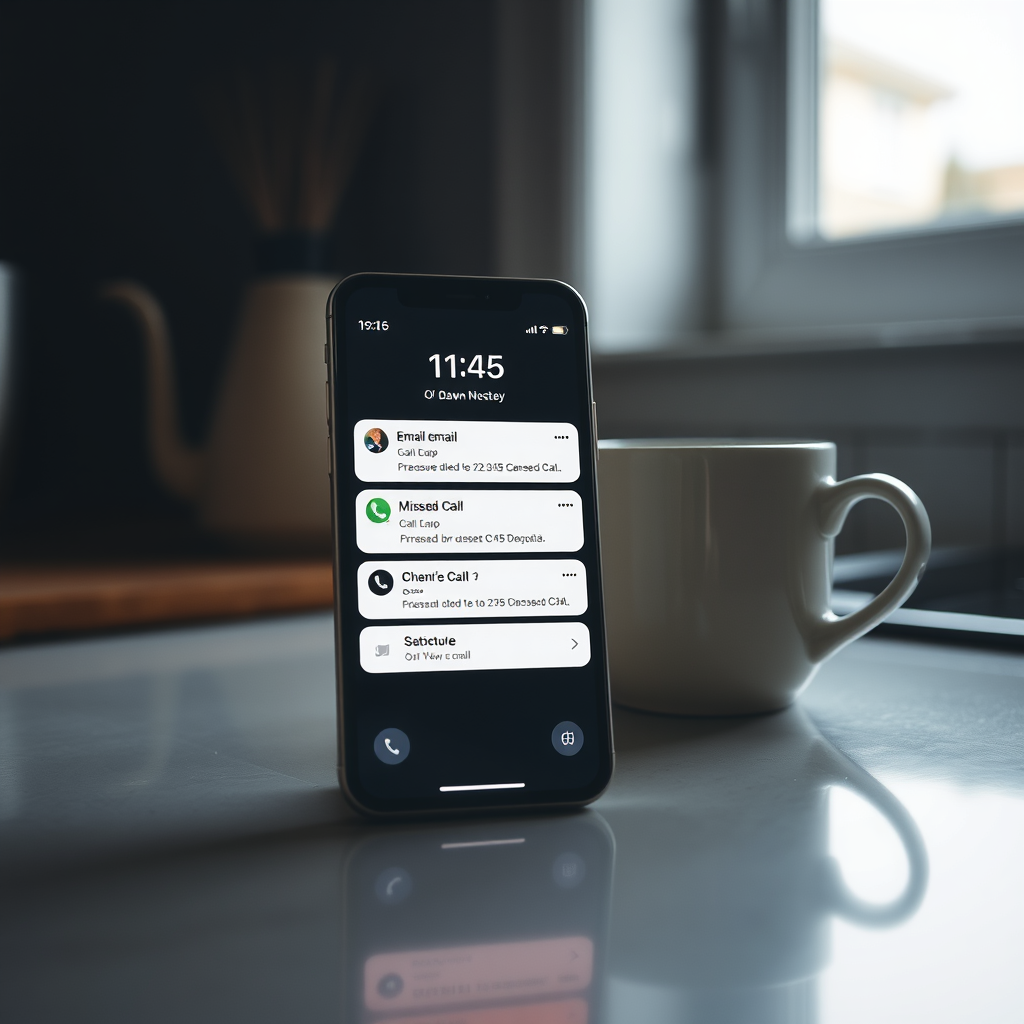
Tuesday, 9:02am: the offer email lands. 9:14am: an SMS with the same offer, shorter. That afternoon, an AI voice call — about the same offer. Three touches, one person, one message, and the only thing the sequence proved is that nothing in your stack is talking to anything else.
Most businesses don't do this on purpose. It happens because the email tool holds one list, the SMS tool holds another, the calling layer holds a third, and each one is counting only its own sends. Each tool thinks it touched the contact once. The contact was touched three times. The contact is the only party keeping an accurate count, and they keep it as irritation.
Frequency Belongs to the Person, Not the Campaign
When marketers talk about frequency caps, they usually mean campaign-level rules: no more than two emails a week from this sequence. That's a cap on your own activity, not on what the recipient experiences. The recipient experiences the sum, and the sum includes the reminder your SMS flow fired, the voice follow-up a salesperson triggered, and the retargeting they're now seeing on social.
A contact-level cadence budget is a different thing entirely. It says: this person can hear from us twice this week, across everything, and here's what they already heard. That's only enforceable if every channel writes to the same audience record — one place that knows the last touch, which channel carried it, and what happened next. On separate lists, the budget is a policy document nobody can apply.
This is the practical argument for running email, SMS, AI voice and social against one audience rather than four synced copies. Sync is reconciliation after the fact. A shared audience is a decision made before the send.
Escalation Is Cheaper Than Repetition
Once every channel can see the others, the interesting question stops being how many times and becomes in what order. Channels aren't interchangeable. They differ in cost, in intrusiveness, and in what a non-response tells you. Sending the same message three ways is repetition. Choosing the next channel based on what the last one revealed is escalation, and escalation is almost always the better campaign.
A simple ladder, built on signals you already generate:
- Email first — cheapest, least intrusive, and the open and click data it produces is what everything downstream depends on.
- SMS when email went unread — not as a louder repeat, but as a short, different message for someone who clearly isn't reading inbox mail.
- A voice call when engagement is high and the thread has stalled — someone who opened twice and clicked the pricing link has earned a conversation, not a fourth newsletter.
Notice that the ladder requires engagement data to be live, not exported. If your opens and clicks are recorded on infrastructure you control and written straight back to the audience, the score that decides tomorrow's SMS already reflects this morning's click. If that data lives in a vendor dashboard you check weekly, your escalation logic is running on last week's reality.
For Operators, the Problem Multiplies
If you run marketing for several brands, the same person can legitimately be a contact for two of them. A supplier on one client's list is a prospect on another's. Those are separate relationships and should stay separate — separate audiences, separate cadence budgets, separate unsubscribe states — which is exactly why tenant separation matters more than most operators treat it. The failure mode isn't just a wrong-brand send; it's one brand quietly spending the attention another brand was about to ask for.
The useful habit is to stop designing campaigns and start designing conversations. Before the next send, ask what this person has already heard from you this week, across every channel, and whether the next message is new information or just the same ask wearing different clothes. That question is easy to answer on one audience and nearly impossible across four tools — which is why so few teams ask it, and why their Tuesday mornings look like the one above.