The Crop Is the Message: Why One Photo Never Fits Four Channels
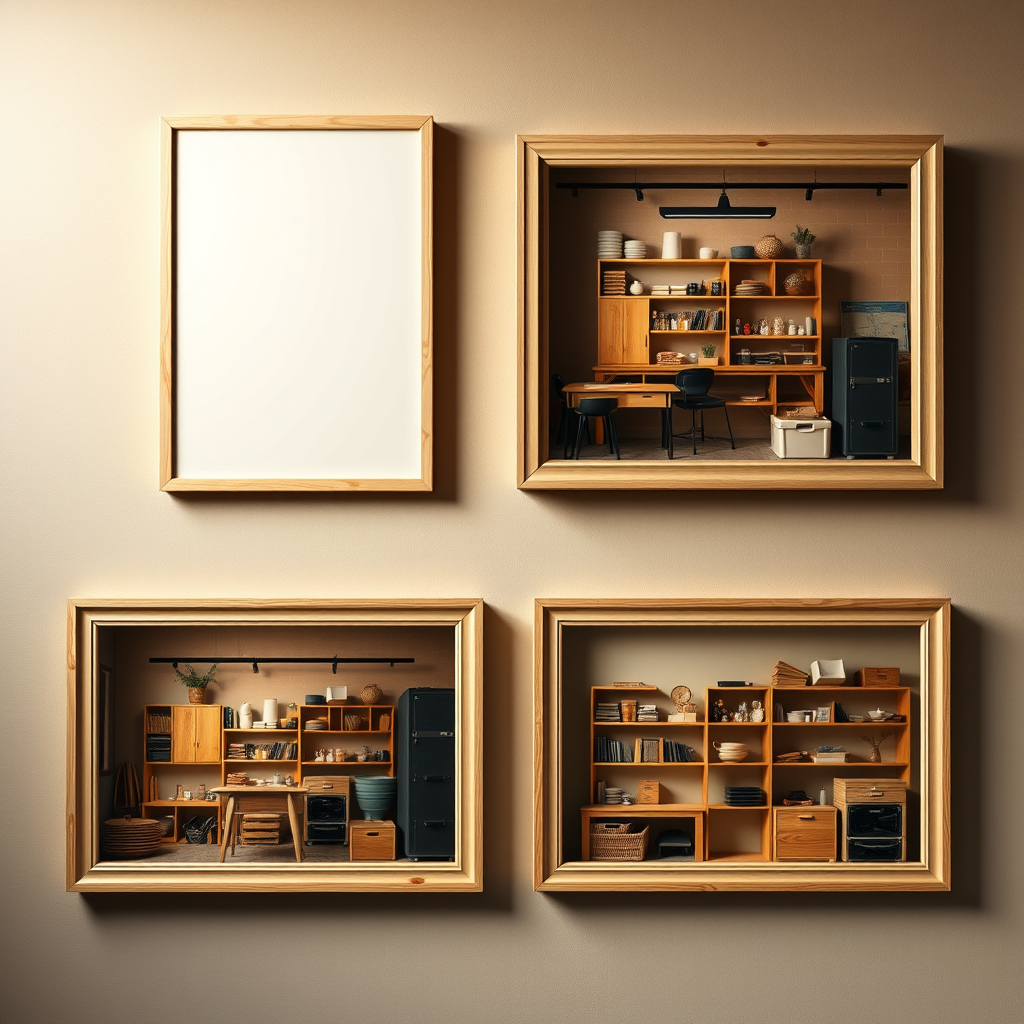
You shot something good. A clean photo of the workshop, the new storefront, the team on a job. It looks right at full size. Then you post it: Instagram squares it and cuts off the person on the left. A story crops so tight the product is out of frame. LinkedIn letterboxes it into a strip where nothing reads. The email header stretches it until the logo is soft. Same picture, four different disappointments, and you spend twenty minutes in a design tool nudging the crop box until each one is merely acceptable.
That's the whole problem in one evening's work. Most marketing tools treat aspect ratio as a finishing step — something you apply to a finished image. It isn't. The frame shape determines where the eye goes, how much breathing room the subject has, and whether there's anywhere sensible to put text. Crop after the fact and you're not adapting the image, you're damaging it.
Frame Shape Is a Creative Decision, Not a File Setting
A good landscape photo has a subject off-center and space to their side. Square-crop it and that space disappears, so the subject slams against the edge. A vertical story needs headroom at the top for platform UI and space at the bottom where the caption and swipe-up live. A wide banner wants the subject small in a lot of negative space, which is exactly what a phone photo never gives you.
These are different compositions, not different sizes. The honest version of "resize for every channel" is "make four related images." Nobody with a business to run wants to do that manually four times a week.
This is what the Growth7 content studio is built around. You give it your own photos as reference — the real storefront, the actual product, your people — and it generates imagery in every channel aspect ratio rather than producing one master file you then hack apart. The vertical version is composed as a vertical. The square is composed as a square. They look like siblings because they came from the same reference material, not because one was stretched into the other.
What Changes When the Ratio Comes First
The practical difference shows up in the parts of the job you dread:
- You stop keeping a "safe zone" mental checklist for every platform, because the composition already accounts for it.
- You stop choosing photos for croppability instead of quality — the wide shot with dead space in the middle that survives any crop, and excites nobody.
- You stop having one channel look like the afterthought it is, usually the one you post to least.
There's also a sequencing benefit. When creative is generated per channel from the start, the campaign can go out across email, SMS and social on one audience without a separate asset-prep sprint before each send. The image work stops being the thing that delays the send by a day.
For Operators, the Crop Tax Multiplies
If you run marketing for one business, bad cropping costs you evenings. If you run it for five, it compounds into the single most repetitive task on your plate — same twenty minutes, five brands, every channel, every week, and each brand has its own photo library and its own look you're trying not to blur together.
Multi-tenant separation matters here for a reason people underestimate: reference photos are brand assets. The restaurant's imagery should never be the source material for the contractor's post. Keeping each brand's tenancy genuinely separate means the studio pulls from the right library every time, without you double-checking. And because autopilot social and blog posting still routes through human approval, what you're reviewing is a channel-native image in its final frame — not a preview you have to mentally crop before deciding whether it works.
The Test to Run This Week
Open your last three social posts on your phone. Not on a desktop preview — on the device your customers actually use. Look at where the edges fall. If a head is clipped, if the logo is half out of frame, if text sits under the platform's own interface, that isn't a design taste issue. It's the crop tax, and you've been paying it in small amounts for a long time.
The fix isn't more time in an editor. It's generating the image for the frame it will live in, from photos that are actually yours.