The AI Image Looked Great. It Just Wasn't Your Shop.
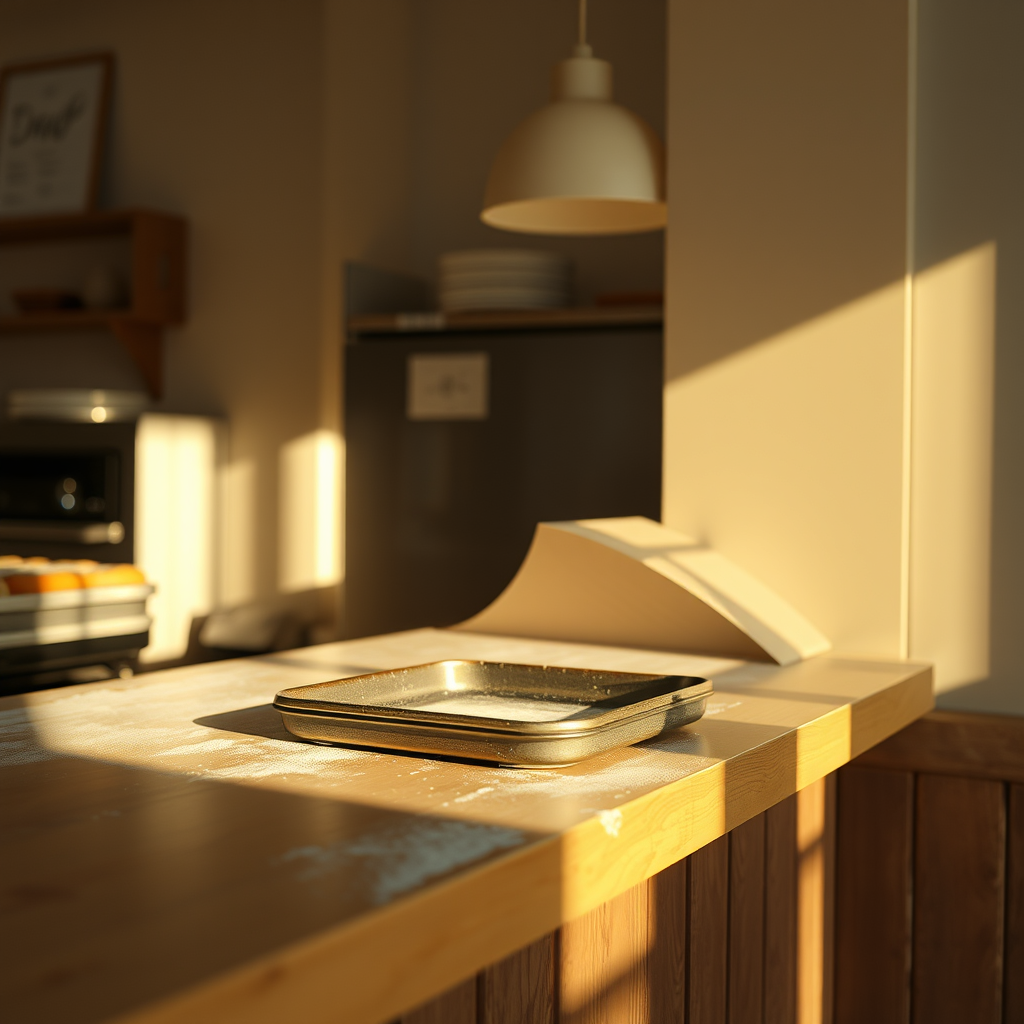
You needed a hero image for the spring promotion, so you generated one. A bakery counter, warm morning light, a tray of croissants shot from just the right angle. It's a lovely image. It's also a bakery that doesn't exist, with a counter that isn't your counter, in a room with a window where you have a wall. You posted it anyway because the deadline was Thursday.
Most people scrolling won't notice. But the people who matter most — the ones who have actually stood in your shop, sat in your waiting room, parked in your lot — will feel something slightly off without being able to name it. And the next time they see a photo from you, they'll trust it a little less. That's an expensive trade for a image that saved you forty minutes.
Generation Is Only a Problem When It Has Nothing to Work From
The failure here isn't AI imagery. It's AI imagery with no anchor. Asked to produce "a welcoming dental office reception," a model will produce the average of every dental office reception it has ever seen: beige, symmetrical, vaguely Scandinavian, belonging to nobody. The output is competent and generic in exactly the same proportion.
Give it your photos as reference and the arithmetic changes. Now it isn't inventing a reception area — it's working from yours. Your actual chairs, your wall colour, the odd angled skylight that makes your space memorable. The model handles the part you can't do yourself, which is lighting, framing and cleanup at speed, and you supply the part it can never know, which is what your business actually looks like.
This is why Growth7's content studio takes customer photos as reference rather than asking you to describe your business in a prompt box. A sentence about your space is a thin description. A photo of your space is the thing itself. One of those produces imagery your regulars recognise.
The Reference Library Is a Small Asset With a Long Tail
The objection is always the same: nobody has time to run a photo shoot. You don't need one. You need a folder of plain, well-lit phone photos that you shoot once and draw on for a year.
What earns its place in that folder:
- The space itself — front, interior, the specific corner people remember
- Your products or equipment, shot straight on in daylight, no styling
- Your team working, not posed against a wall
- Whatever detail is genuinely yours: the mural, the vintage sign, the view
Half an hour on a bright morning covers most of it. From there, every campaign image you generate inherits something true. The spring promo looks like your shop in spring. The hiring post looks like the room a candidate would actually walk into. And because the studio renders each channel's aspect ratio from the same source rather than cropping one file four ways, the vertical story and the landscape email header both show your space properly framed instead of accidentally decapitated.
Consistency Is the Point, Not Polish
There's a second payoff that shows up over months rather than posts. When every image you publish descends from the same reference set, your feed, your emails and your blog start to look like one business rather than four freelancers with different taste. You stop re-deciding your visual identity every Tuesday, because the references are deciding it for you.
That consistency is what makes a small business look established. Not expensive photography — recognisable photography. Someone who saw your Instagram in January should recognise the room in your October email.
So before the next campaign, spend the thirty minutes. Shoot the counter, the room, the work. Then let the tool extend what's real instead of imagining something that isn't.